Coastal Route Planning for Saranda Holidays
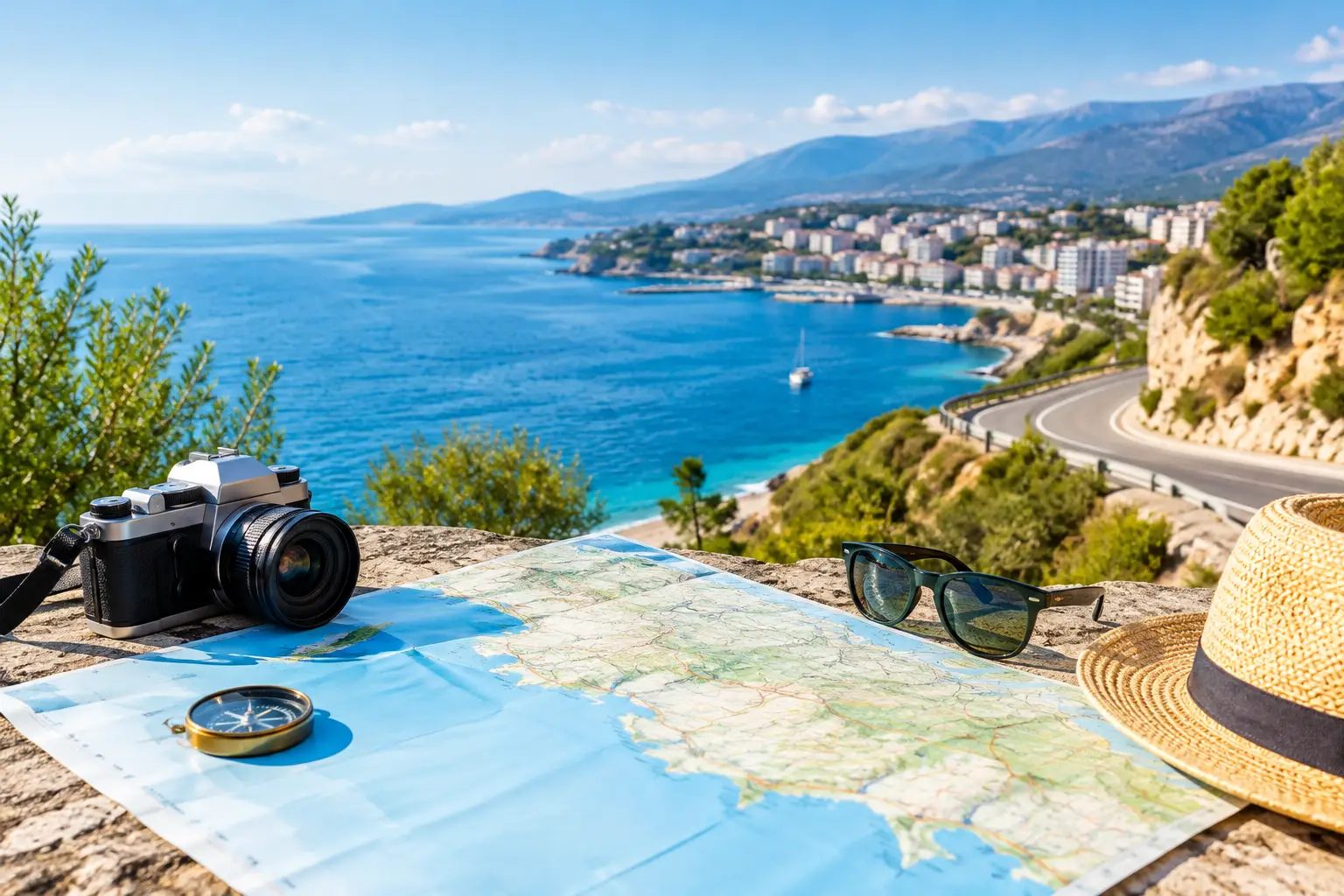
Coastal route planning from Saranda made simple: choose the right car, time beach stops well, and drive the Albanian Riviera with confidence this summer.
Learn Albania driving rules for Saranda and the Riviera: documents, speed limits, parking, mountain roads and practical local advice for a calm trip.
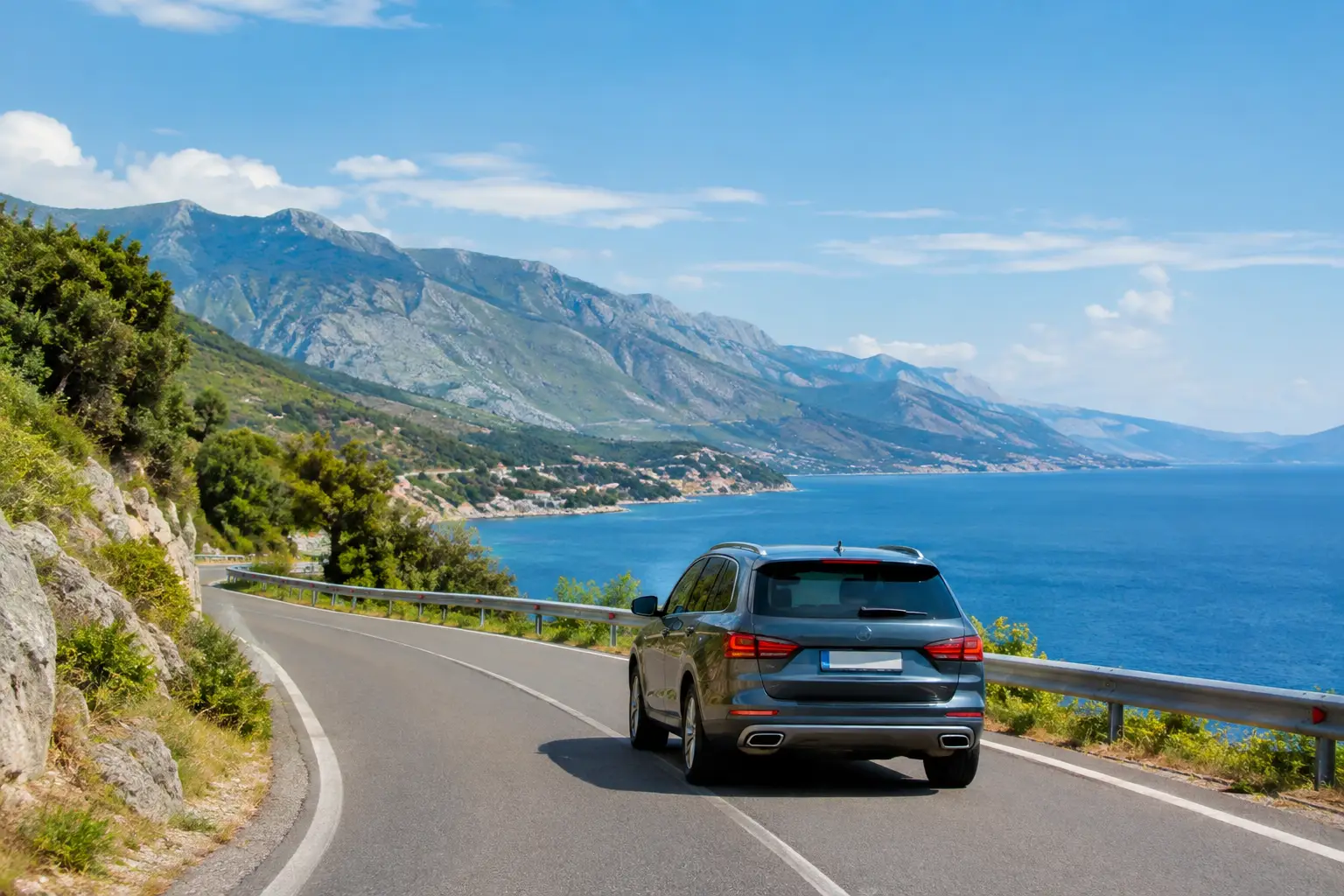
The first few kilometres after leaving Saranda can feel wonderfully simple: sea on one side, hills on the other, and a beach or village well beyond the bus route. Knowing the Albania driving rules before you collect your car keeps that freedom enjoyable. Roads around the Riviera reward calm, attentive driving, especially where city traffic, narrow village streets and mountain bends meet on the same day.
This is a practical guide for visitors driving in Saranda, Ksamil and southern Albania. Rules and road signs can change, so always follow the signs and instructions you see on the road.
Albania drives on the right. Overtake on the left, give way according to road signs and use dipped headlights when conditions require them, particularly in tunnels, rain and low visibility. Seat belts are required for drivers and passengers, and children should travel in an appropriate child seat or restraint for their age and size.
Do not use a hand-held mobile phone while driving. If you need directions, set your navigation before moving off or stop somewhere safe. A phone holder can be useful, but it does not replace paying attention on a winding road.
Drink-driving is not worth the risk. Albania has a very low legal alcohol limit, so the sensible holiday rule is simple: if you are driving, do not drink alcohol. Save the wine, raki or evening cocktails for a night when the car is parked.
At junctions, traffic lights, pedestrian crossings and roundabouts, take your time. Local drivers may move decisively, particularly in busy areas, but there is no benefit in copying a manoeuvre you are not comfortable making. Signal early, leave space and wait for a clear gap.
Keep your driving licence, passport or ID, rental agreement, vehicle registration documents and insurance information with you when driving. EU and UK visitors can normally use a valid full driving licence for a short visit, but requirements may differ for licences issued outside Europe or for longer stays. An International Driving Permit may be advisable or required depending on the country that issued your licence.
Check the current requirements before travelling, and tell your rental provider if you plan to cross a border. A car hired for use in Albania is not automatically authorised or insured for Greece, North Macedonia, Montenegro or Kosovo. Written permission and the correct insurance documents are usually needed before any border journey.
Speed signs are in kilometres per hour, not miles per hour. As a general guide, limits are commonly 40 km/h in built-up areas, 80 km/h outside them and up to 110 km/h on motorways. Some main roads, junction approaches, villages and roadworks have lower limits, and the posted sign is always the limit that matters.
Do not assume a wide-looking road is fast. On the approach to Saranda, Ksamil and coastal settlements, a road can change quickly from open tarmac to shops, parked cars, pedestrians and scooters. Ease off the accelerator when entering a town, even if there is little traffic at first.
Road signs follow familiar European patterns. A red circle usually signals a restriction, while a triangular sign warns of a hazard ahead. Pay close attention to signs for sharp bends, loose surface, livestock, children, roadworks and overtaking restrictions. In rural areas, goats, sheep and slow farm vehicles are a real possibility rather than a tourist cliché.
A compact car is ideal for Saranda streets, hotel access and easier parking. For a longer route over mountain roads, travelling with family luggage or visiting less developed inland areas, an SUV can provide more ground clearance and a more relaxed ride. The best choice depends on your route, not just the number of passengers.
The drive towards Ksamil and Butrint is usually straightforward, but it becomes busy in summer. Expect pedestrians crossing near beach entrances, cars pulling in and out of parking areas, and occasional queues at popular points. Leave earlier in the morning if you want a calmer journey and more choice when parking.
Further north along the Albanian Riviera, the views are excellent but the roads demand concentration. Mountain sections can include tight corners, steep drops and limited visibility around bends. Keep to your side of the road, avoid cutting corners and do not stop suddenly for photographs. Use designated pull-ins or safe parking areas when you want to enjoy the view.
Night driving needs extra care outside the main towns. Street lighting may be limited, road markings can be less visible and animals or pedestrians may be difficult to spot. If you are unfamiliar with the route, plan longer journeys for daylight and allow more time than your map suggests.
You may encounter slow-moving cars, tourist coaches, agricultural vehicles and lorries on regional roads. Only overtake where you have a long, clear view ahead, there is no solid centre line or overtaking restriction, and you can complete the manoeuvre without forcing another driver to brake.
Never overtake near bends, junctions, crossings or hill crests. A few extra minutes behind a slower vehicle is far better than taking a chance on a road with limited sight lines. If another vehicle is following closely, stay calm and do not speed up to satisfy it. Keep your position, signal clearly and let it pass when there is a safe opportunity.
Parking can be the most demanding part of driving in summer, not the road itself. Saranda’s central streets fill quickly in the evening, while beach car parks near Ksamil can become busy from late morning. Choose a legal space, check signs and markings, and avoid blocking driveways, narrow access lanes or other vehicles.
Do not leave valuables visible in the car. Put bags, cameras and documents in the boot before you park, not after arriving at a busy beach car park where someone can see what you are storing. Lock the vehicle every time, even for a short café stop.
On steep streets, park carefully and leave the car securely in gear or in park, with the handbrake fully applied. Be considerate with space: streets designed for local traffic can become very tight when cars are parked carelessly.
Fuel stations are common around Saranda and on major routes, though they are less frequent in remote inland areas. Do not wait until the fuel gauge is near empty before beginning a mountain trip. Fill up in town, particularly if you are heading towards quieter villages or returning late.
Most holiday routes in southern Albania do not require regular motorway toll planning, but carry some cash for small car parks, local purchases or places where card payment is not available. Check your rental agreement on fuel level and return policy before leaving the collection point so there are no surprises later.
Before each longer journey, take a minute to check that your mirrors are set, your phone is charged, water is in the car and your route is downloaded for areas with weaker signal. In summer, sunglasses help with glare from the sea and pale road surfaces. In cooler or wet weather, increase your following distance because bendy roads can become slippery.
If you have a minor issue, move to a safe place if the car is driveable and contact your rental provider straight away. Do not authorise repairs or make arrangements with a garage before speaking to them unless there is an immediate safety emergency. Take clear photographs if there is damage, including the position of vehicles, registration plates and the surrounding road.
In an accident involving another vehicle, injury or significant damage, call the police and follow their instructions. Stay at the scene, exchange details and keep your rental company informed. Emergency number 112 can be used for urgent assistance.
A good local rental provider should explain the vehicle controls, deposit, insurance terms and support contact before you leave. Rental CAR VIP ADES can also arrange collection and return in Saranda at the port, bus station or your hotel, which makes it easier to start with the right information rather than searching for it after arrival.
The best way to enjoy southern Albania by car is not to chase an ambitious timetable. Leave room for a slower vehicle, a photo stop in a safe place and the occasional wrong turn. Drive patiently, follow the signs in front of you, and the road becomes part of the holiday rather than an obstacle to it.
Coastal route planning from Saranda made simple: choose the right car, time beach stops well, and drive the Albanian Riviera with confidence this summer.
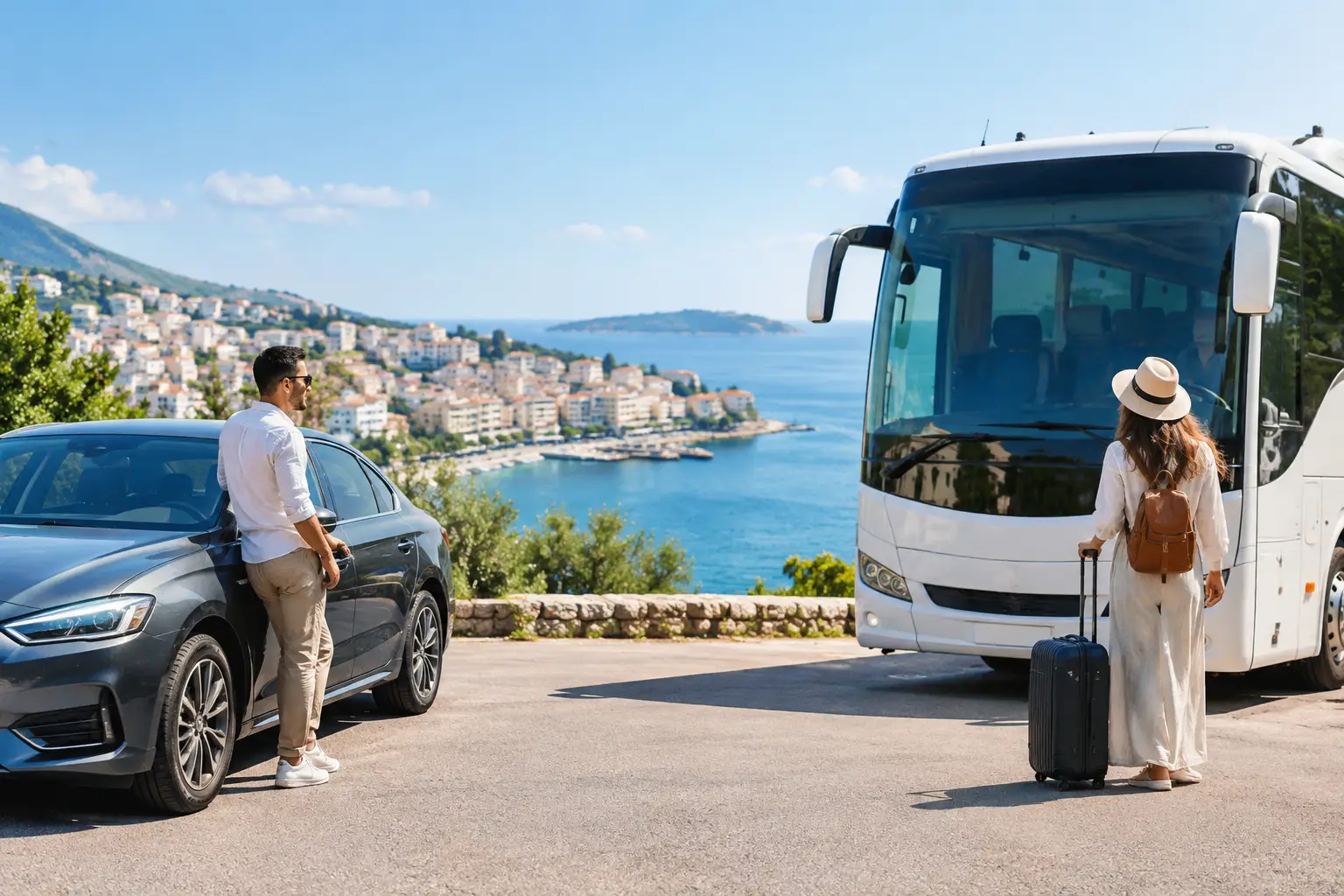
Hire car versus coach travel in Saranda: compare costs, comfort, routes and flexibility to choose the right way to explore the Albanian Riviera easily.
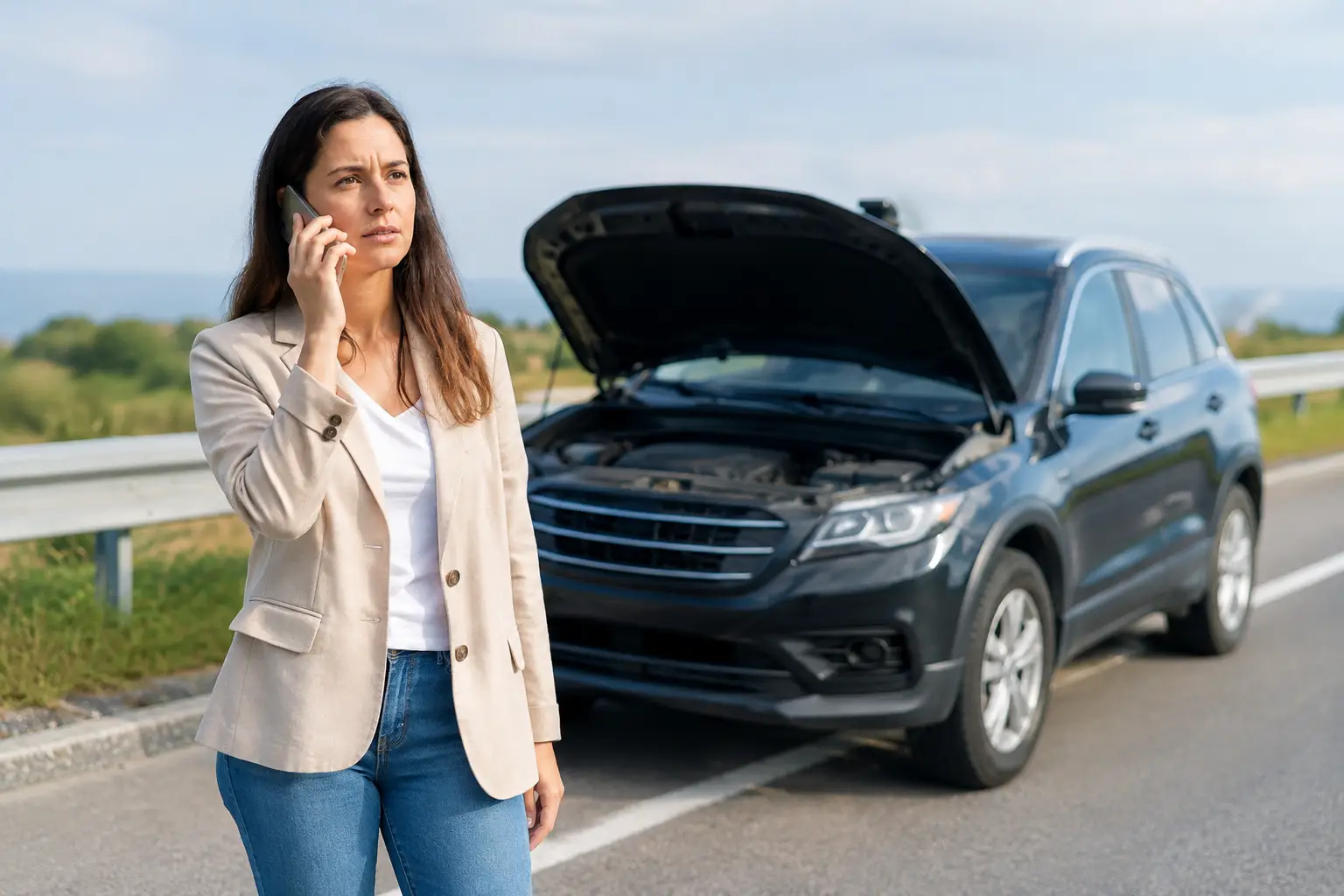
Learn what happens after breakdowns in a hire car in Saranda, from getting to safety and calling support to replacing the vehicle and continuing your trip.